
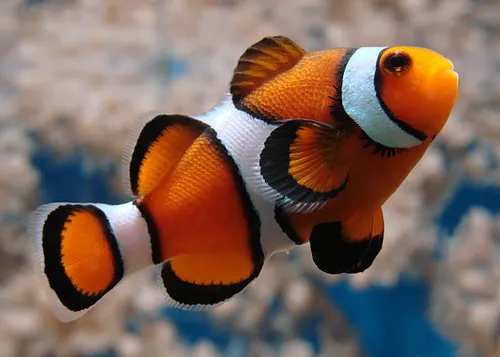
Clownfish are vibrant and popular marine aquarium fish, famous for their bright orange color with white bands and playful behavior. They are hardy and well-suited for saltwater aquariums, making them a great choice for both beginners and experienced marine hobbyists. Clownfish adapt well to fish tank life, especially in properly maintained marine setups, and are known for their peaceful nature. Their attractive appearance and active swimming make them a beautiful centerpiece in any marine aquarium.
The Price of Clown Fish in Nepal
When researching clown fish price in Nepal, several factors affect cost: the species and morph (for example Ocellaris versus Percula or designer color variants) can command different premiums, size and age (juvenile versus adult) influence pricing, and whether the fish is wild-caught or captive-bred changes availability and price and often long-term survival; health and acclimation status are critical for immediate cost and future expenses, while the seller type—local pet shop, breeder, or online marketplace—determines markups and guarantees, and seasonal demand and supply fluctuations can cause noticeable price swings throughout the year.
Typical Price Ranges
If you are searching for “clown fish price in Nepal”, expect entry-level species such as common Ocellaris to fall in affordable expected price brackets around NPR 500–1,500, while mid-range varieties like Percula or larger healthy specimens typically cost NPR 2,000–5,000; high-end designer or rare morphs, including designer perculas and exotic fish hybrids, command premium prices often from NPR 6,000 up to NPR 20,000 or more depending on rarity and size. For quick reference, a brief examples or hypothetical cost table would show: Entry-level NPR 500–1,500, Mid-range NPR 2,000–5,000, High-end NPR 6,000–20,000+, helping hobbyists budget when comparing clown fish price in Nepal across our website fishpasal.com.
Where to Buy Clown Fish in Nepal
You can purchase high-quality specimens directly from us at fishpasal.com, as well as from local aquarium shops and markets in major cities, reputable breeders and hobbyist networks, or through online marketplaces and social media groups. For reliable stock, transparent pricing, and expert advice, visit fishpasal.com to browse available clownfish varieties and get the best guidance on care and shipping within Nepal.
Additional Ownership Costs
Remember to budget for additional ownership costs such as aquarium setup (tank, filtration, heater, substrate), ongoing water quality maintenance and test kits, appropriate food and supplements, compatible tank mates plus anemones and live rock considerations, and routine maintenance or potential veterinary care to ensure the health and longevity of your clownfish.
Legal, Ethical and Environmental Considerations
We inform all buyers that all fish and related products sold by us are legally imported in full compliance with the applicable laws, regulations, and government requirements of Nepal. Our sourcing follows proper documentation, quarantine procedures, and ethical trade practices.
Buyers and sellers must consider legal, ethical, and environmental factors that directly influence market costs.
We encourage all prospective buyers to consider these aspects carefully and make informed, environmentally responsible purchasing decisions that support conservation, legality, and fair market pricing in Nepal.
Tips for Smart Purchasing
Questions to ask the seller before buying
Ask whether the clownfish are captive-bred or wild-caught, as captive-bred specimens are generally hardier and more reef-safe. Confirm the exact species—whether it is a Percula clownfish or another type—and request the scientific or common name. Inquire specifically about the clown fish price in Nepal and whether the seller offers bulk or combo discounts for aquarium setups. Find out if the fish are currently in-store or only available online, and whether they are sold on marketplaces like daraz.com.np. Request details about origin, age, size, and whether the fish come as paired breeders (breeding pairs often cost more). Finally, ask what diet the fish have been fed (pellets, frozen, live) and what food the seller recommends for maintaining vibrant color and longevity.
How to inspect fish health and nature
Visually inspect appearance for a bright orange shade, clear white bands, intact fins, and no missing scales, lesions, or unusual spots—healthy clownfish should look vibrant. Check eyes and gills: eyes should be clear and gills should move rhythmically without gasping at the surface. Observe swimming and behavior: healthy fish swim actively, appear alert, and do not hide constantly or act lethargic. Watch breathing and appetite: a robust appetite for pellets or frozen food is a strong health indicator; if buying online, request a feeding video to confirm responsiveness.
Negotiation and cost comparison strategies
Research clown fish price in Nepal across local shops and online listings, including daraz.com.np, to compare prices and find the best deals. Ask retailers for bundle deals, since shops often provide better pricing when you purchase tank mates, an anemone, or starter foods (pellet packs, high-quality frozen food) together. Negotiate based on provenance and health: captive-bred clownfish may cost more upfront but can reduce lifetime costs through better survival rates, which is valuable when evaluating overall value. Also look for seasonal promotions, clearance stock, or loyalty discounts from retailers and online aquarium fish sellers in Nepal.
Quarantine and acclimation best practice
Quarantine new clownfish for 2–4 weeks in a separate tank to observe behavior and treat potential parasites before introducing them to your display tank. Set up the quarantine tank with a aquarium heater, sponge filter, a hide, and salinity/temperature matching your display tank; include a rock or plastic anemone to reduce stress. Use drip acclimation over 1–2 hours for saltwater clownfish to gradually stabilize salinity and temperature. During quarantine, monitor for ich, flukes, or stress signs and treat proactively with quarantine-safe medications; freshwater dips should be used only when appropriate, especially for captive-bred specimens.
Frequently Asked Questions
Yes, captive-bred clownfish are generally more expensive than wild-caught ones in Nepal. Captive-bred clownfish are healthier, more adaptable to aquarium life, and have a higher survival rate, which increases their value. At FishPasal, captive-bred clownfish usually cost slightly more than wild-caught varieties because of their quality, breeding standards, and long-term sustainability benefits. Prices can vary by species and size, so be sure to check the current listings or contact us for exact rates.
You can find reliable clownfish breeders in Nepal through several trusted sources:
-
Online Aquarium Stores: FishPasal collaborates with reputable local breeders and suppliers to ensure quality clownfish and marine pets.
-
Aquarium Clubs & Communities: Local aquarium hobbyist groups and social media communities often share recommendations for reliable breeders.
-
Aquatic Exhibitions & Events: Pet expos and fish shows in major cities like Kathmandu or Pokhara are good places to meet reputable breeders.
-
Referrals: Ask experienced aquarium hobbyists for breeder referrals based on their personal experience.
When keeping clownfish, there are several ongoing costs to budget for beyond the initial purchase:
✔ Food Supplies: Regular feeding with high-quality marine fish food (flakes, pellets, frozen).
✔ Water Treatment: Products like salt mix, water conditioners, and testing kits to maintain healthy water parameters.
✔ Electricity: Power for filters, heaters, and LED lighting.
✔ Filter & Equipment Maintenance: Periodic replacement of filter media, pump servicing, and cleaning supplies.
✔ Health Care: Medication or quarantine supplies if your fish become sick.
Reviews
There are no reviews yet.